
Sexing for parrots
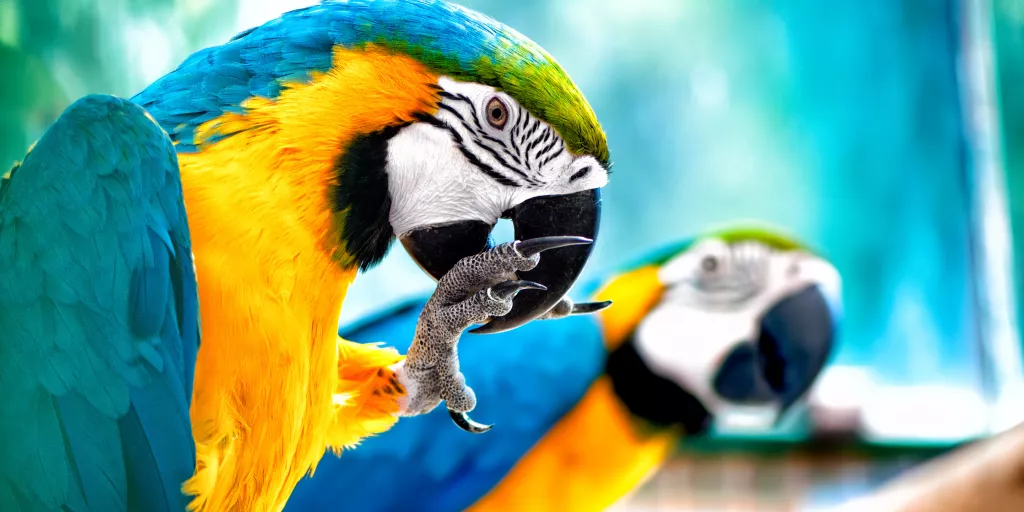
Sex or gender identification in parrots is a crucial aspect of aviculture. For many parrot and parakeet species, it is impossible to distinguish the sex by eye. At NeorniLab, we use new technologies and advanced methods of gender determination to ensure an accurate and reliable final result.
Feathers
- 2-3 tail or wing feathers (small birds < 150 g)
- 4-5 freshly plucked breast feathers (medium-sized birds and parrots > 150 g)
- Fallen moulting feathers, down feathers and blood feathers should be avoided. These contain insufficient DNA or can cause damage to the feather follicle when pulled out. Blood feathers are the new feathers that can be recognised by the blue sleeve at the base of the feather.
- To avoid contamination, the calamus (the end of the feather that comes out of the bird's skin) must not be touched with the hands
Blood sample
- A small amount (capillary tube) is sufficient for accurate analysis
- Turnaround time
- You will receive an email when your results and certificate are available on your personal portal